
K53 Road Signs: The Complete South African Guide
Last updated · Ride of Passage
South African road signs fall into six families: regulatory, warning, guidance and information, temporary, road markings, and traffic lights and hand signals. Learn the family first, because its shape and colour tell you what kind of instruction a sign gives. The K53 learner's test asks 28 sign questions and you need 23 right.
Below is every K53 road sign we cover in Ride K53 (1082 signs and markings), grouped the same way the official manual groups them. Tap a family to see each sign, its meaning and what the law expects you to do.
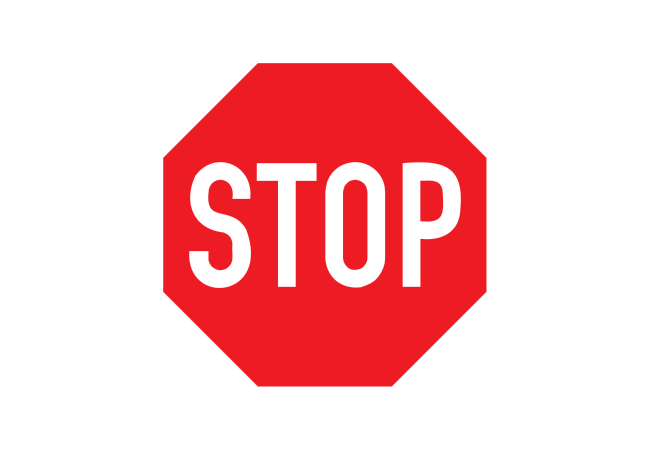
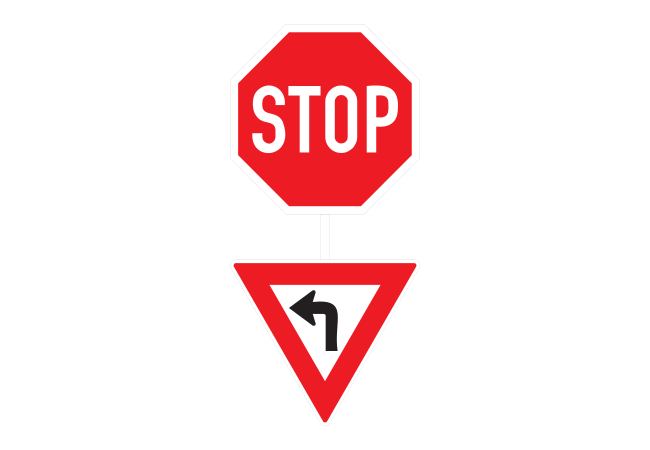
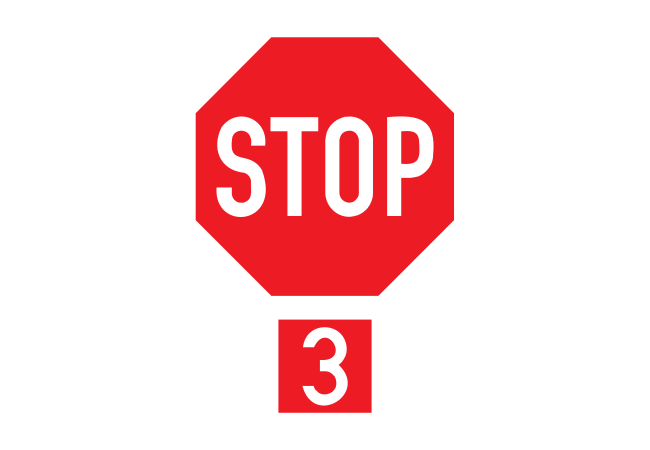
Regulatory signs
Regulatory signs tell you what you must or must not do. They carry legal force: ignoring one is usually a traffic offence, which is why the K53 test leans on them heavily.
265 signs →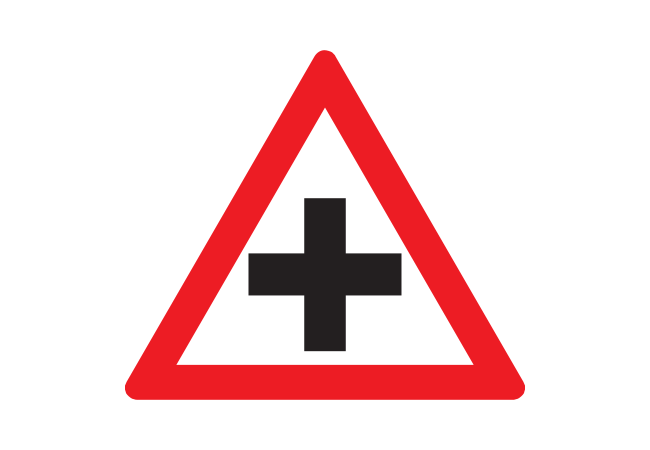
Warning signs
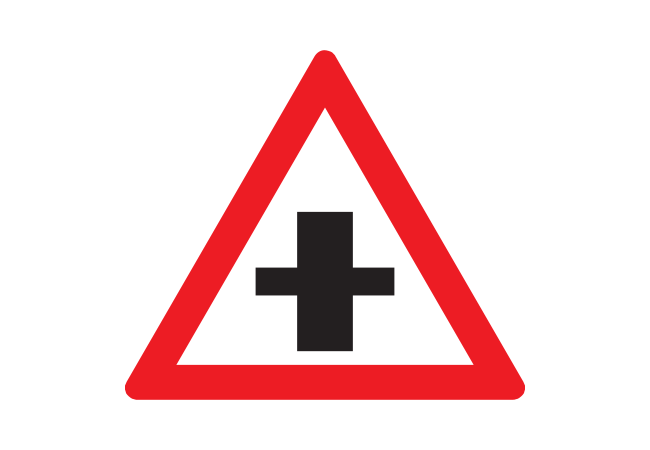
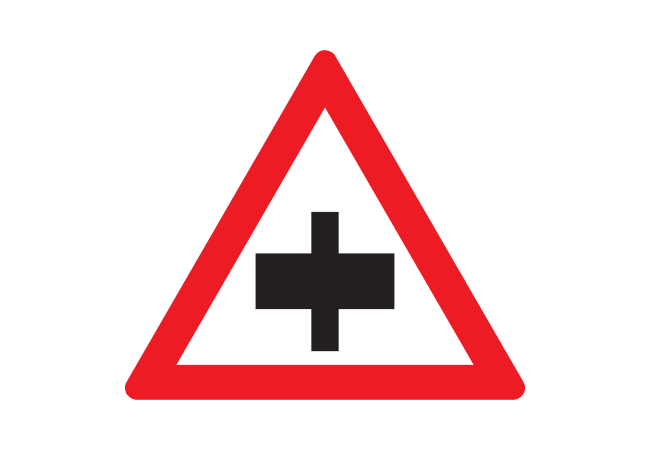
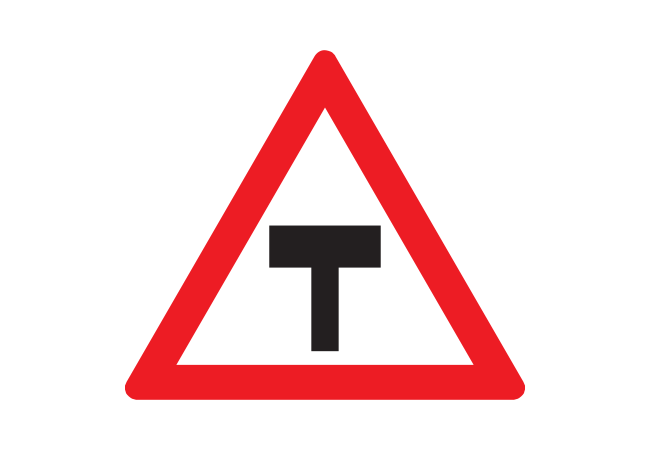
Warning signs give you advance notice of a hazard or change in the road ahead, such as a sharp bend, a junction, animals or a narrowing road, so you can slow down and prepare.
113 signs →
Guidance & information signs
Guidance and information signs help you find your way: route numbers, directions, distances, freeway exits and useful facilities such as hospitals, fuel and parking.
316 signs →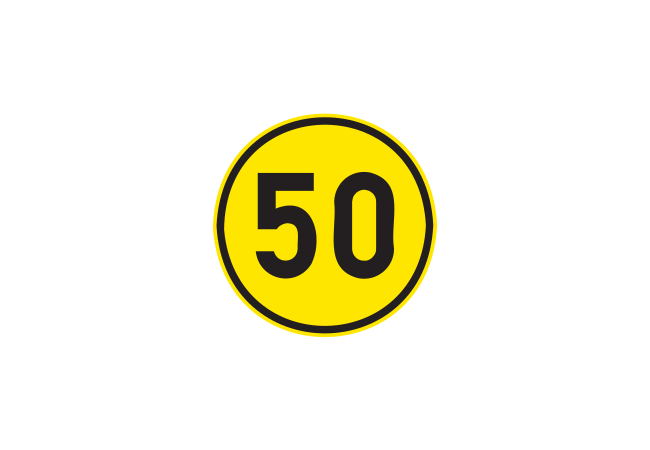
Temporary signs
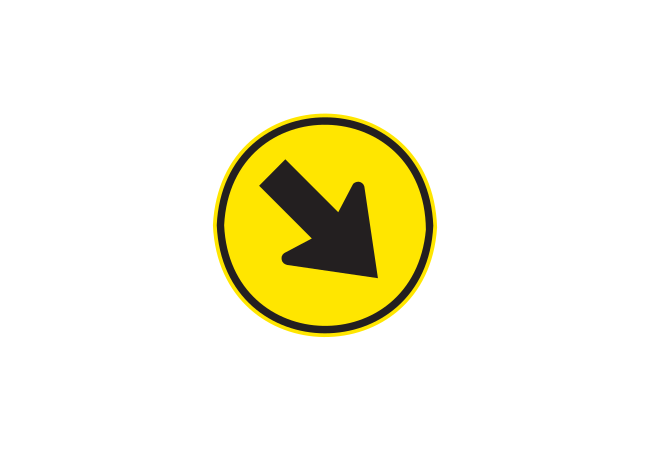
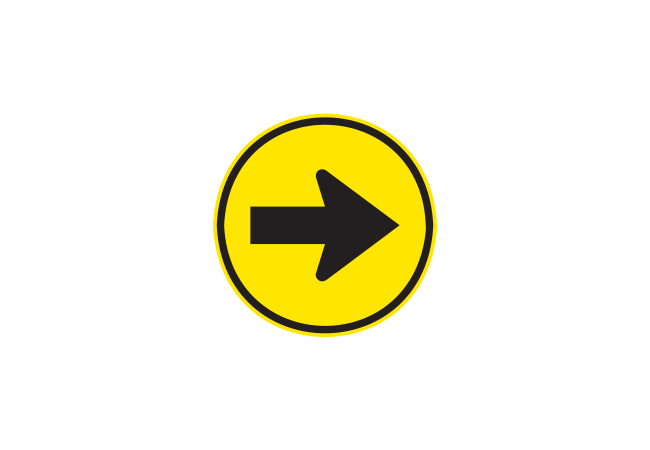
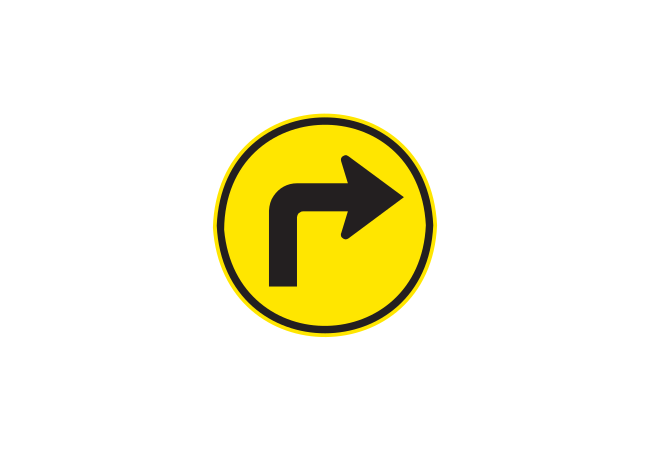
Temporary signs are used at roadworks and other short-term changes. They mean exactly what their permanent versions mean, and while they are up they take priority over the permanent signs and markings.
283 signs →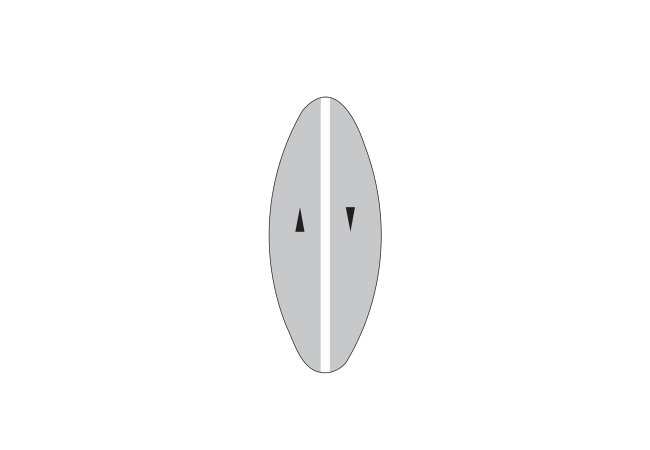
Road markings
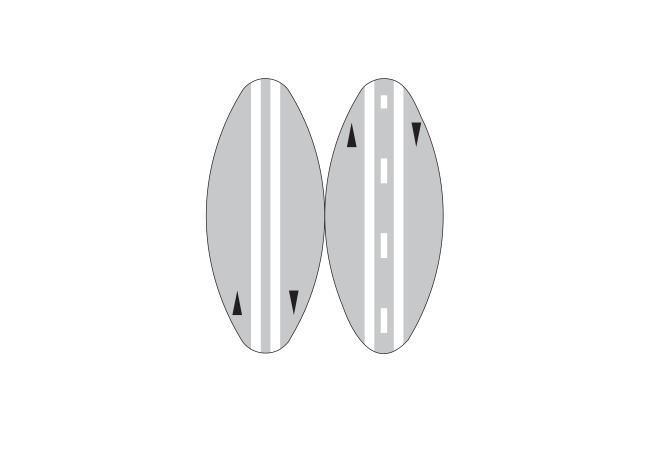
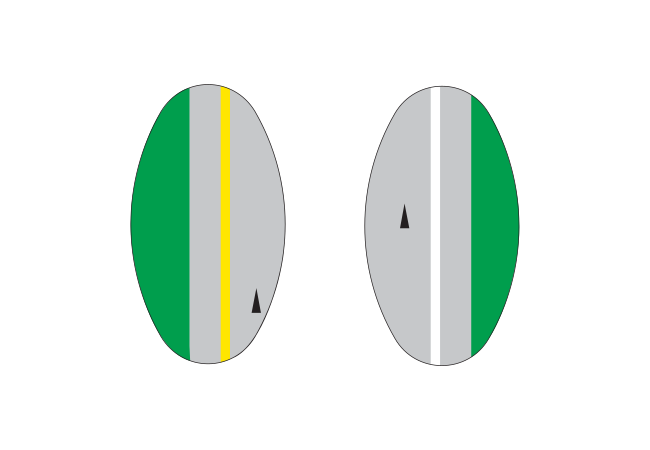
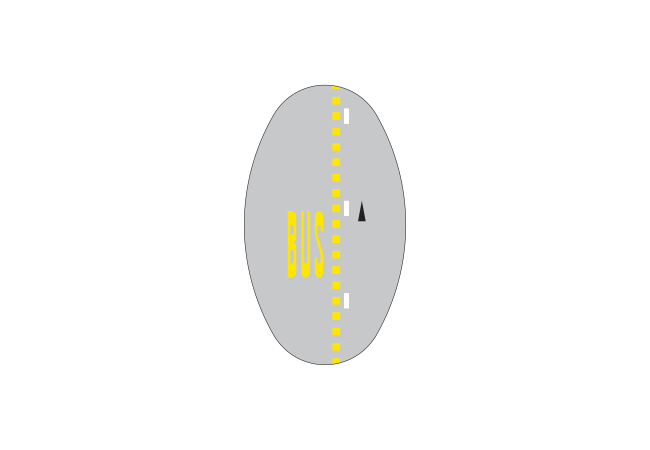
Road markings are road signs painted on the road surface. They carry the same legal weight as upright signs, and are grouped into regulatory, warning and guidance markings just like the signs are.
53 signs →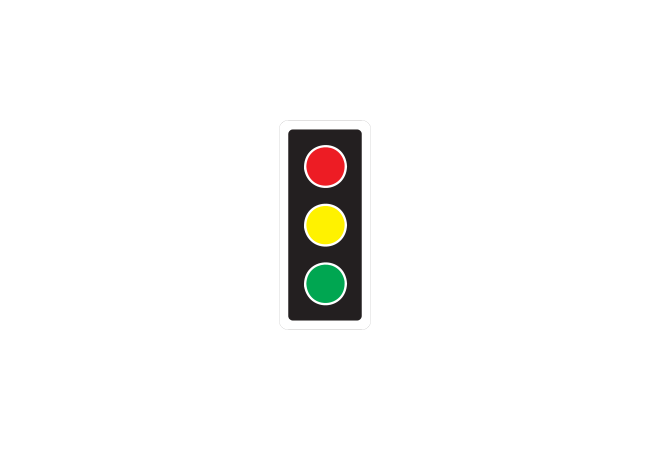
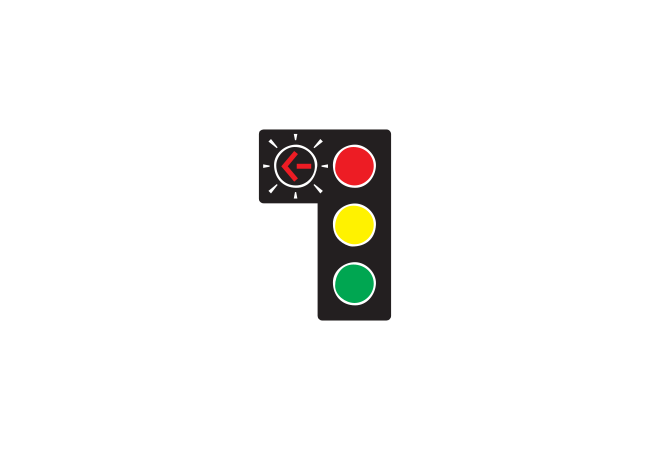
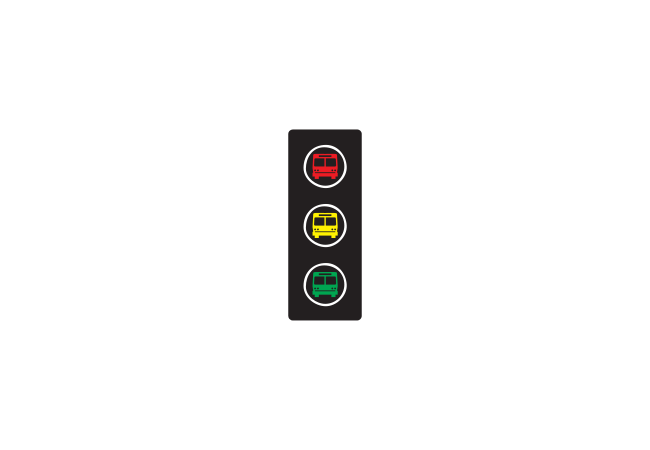
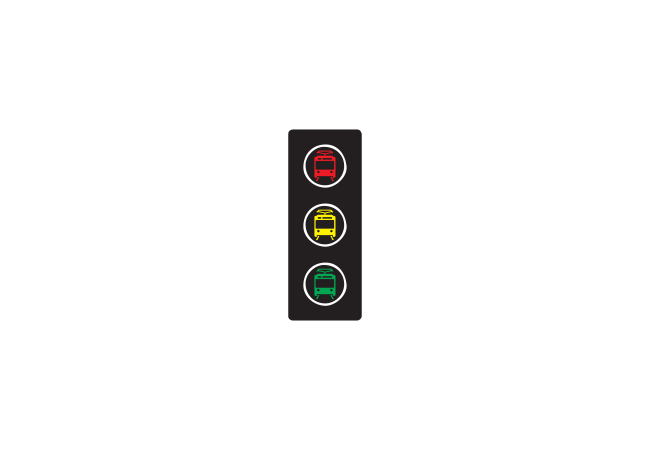
Traffic lights & hand signals
Traffic signals and hand signals control right of way at intersections and roadworks. The K53 test asks about both the light sequences and the hand signals a traffic officer or another driver may give.
52 signs →How to tell sign families apart
| Family | What it does | What it looks like |
|---|---|---|
| Regulatory signs | Regulatory signs tell you what you must or must not do. | Mostly circular. Red border = prohibition, blue disc = command; the Stop (octagon) and Yield (inverted triangle) signs have their own shapes. |
| Warning signs | Warning signs give you advance notice of a hazard or change in the road ahead, such as a sharp bend, a junction, animals or a narrowing road, so you can slow down and prepare.. | Triangles with a red border and a black symbol on white, plus chevron and hazard-marker boards. |
| Guidance & information signs | Guidance and information signs help you find your way: route numbers, directions, distances, freeway exits and useful facilities such as hospitals, fuel and parking.. | Rectangular. Green for freeways and primary routes, blue for other routes and local direction, brown for tourism. |
| Temporary signs | Temporary signs are used at roadworks and other short-term changes. | The same shapes as the permanent signs, but with a yellow background. |
| Road markings | Road markings are road signs painted on the road surface. | Lines, arrows and words painted on the road surface, in white, yellow and red. |
| Traffic lights & hand signals | Traffic signals and hand signals control right of way at intersections and roadworks. | Traffic signals ("robots"), flashing lights, and the arm signals used by drivers and traffic officers. |
Road signs in the K53 learner's test
Road signs, signals and markings is one of the three sections of the learner's licence test. It has 28 questions and a pass mark of 23, which is the highest pass mark of the three sections, and you must pass it on its own (a great score in rules of the road can't make up for it). See how the K53 learner's test works.
Most mistakes come from look-alike signs: a red ring (prohibition) versus a blue disc (command), or a permanent sign versus its yellow temporary version. Study one family at a time, then mix them up and test yourself. Our guide to memorising road signs and free practice test help with exactly that.
Frequently asked questions
How many road signs are in the K53 test?
The road signs, signals and markings section has 28 questions, and you need 23 correct to pass it. The questions are drawn from hundreds of signs and markings across all six families.
What is the difference between regulatory and warning signs?
Regulatory signs give an instruction you must obey (stop, yield, no entry, speed limits) and are mostly circular. Warning signs tell you about a hazard ahead (a bend, a junction, animals) and are red-bordered triangles.
What do yellow road signs mean in South Africa?
A yellow background marks a temporary sign, usually at roadworks. It means the same as the permanent version of the sign and takes priority over permanent signs and markings while it is in place.
Do road markings count as road signs?
Yes. Road markings are traffic signs painted on the road surface and carry the same legal weight as upright signs.